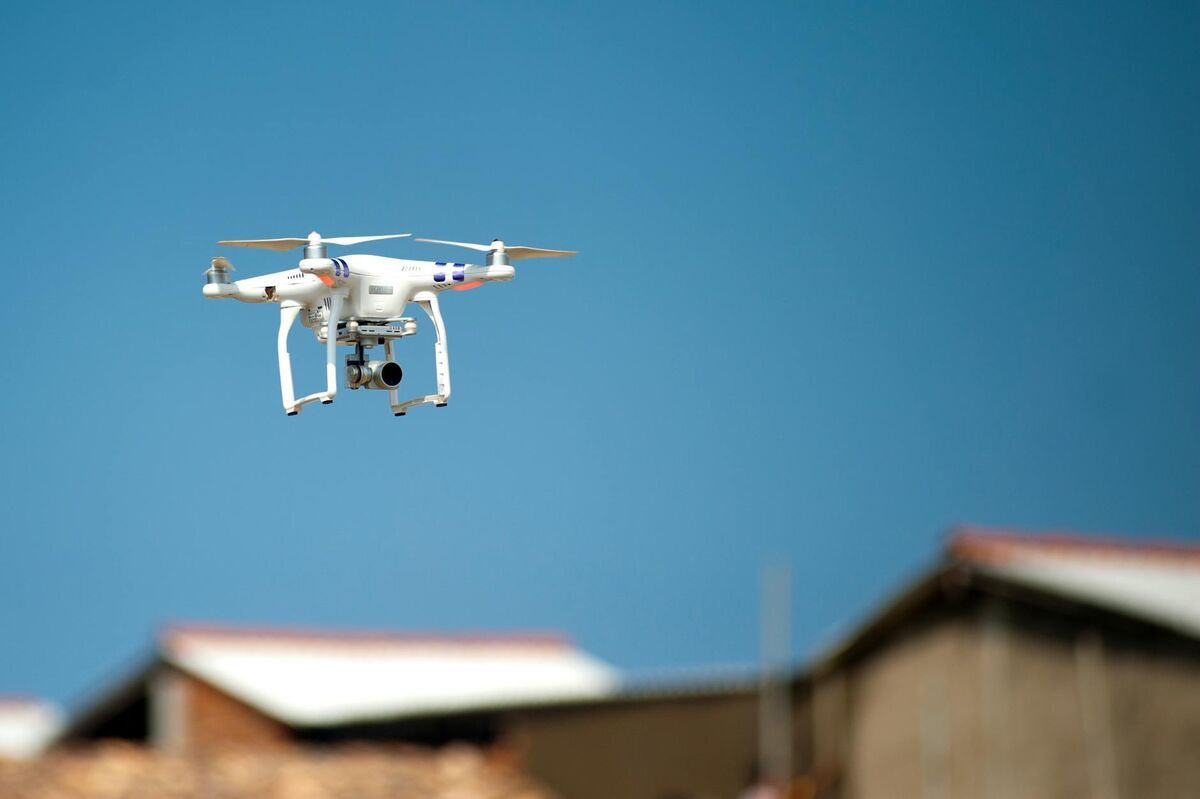
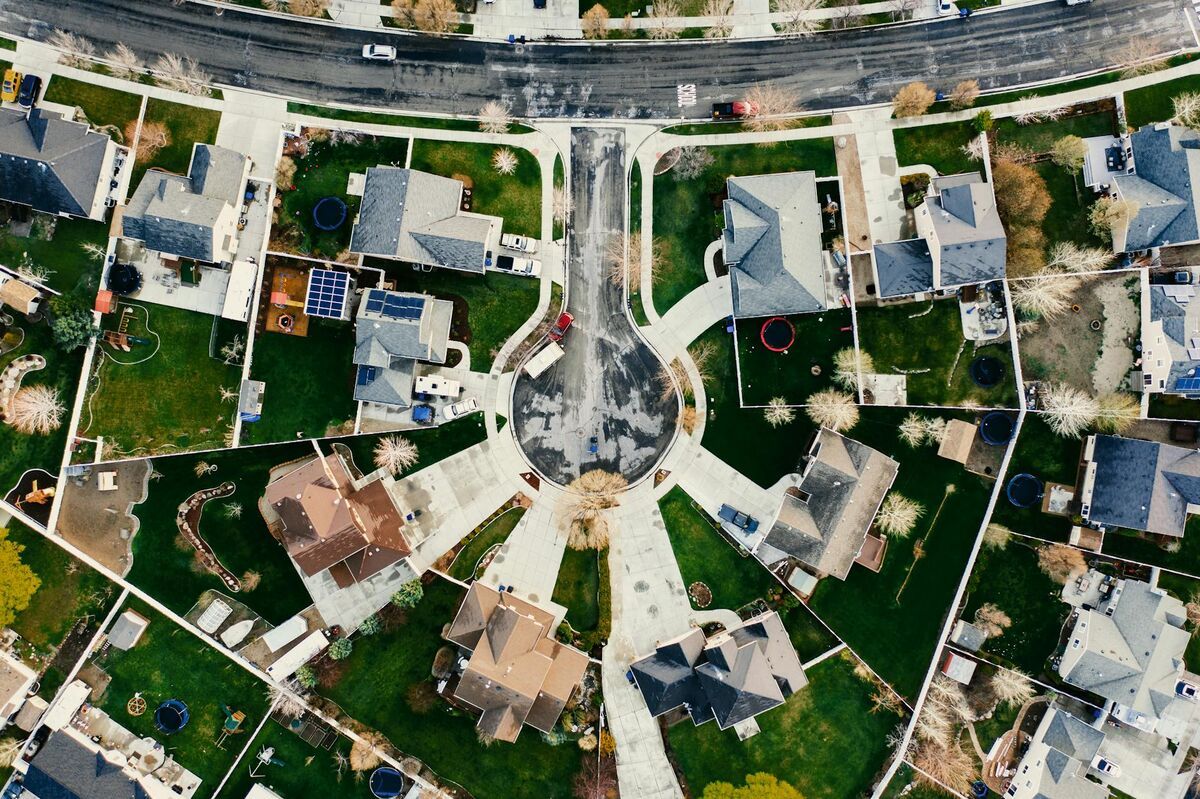
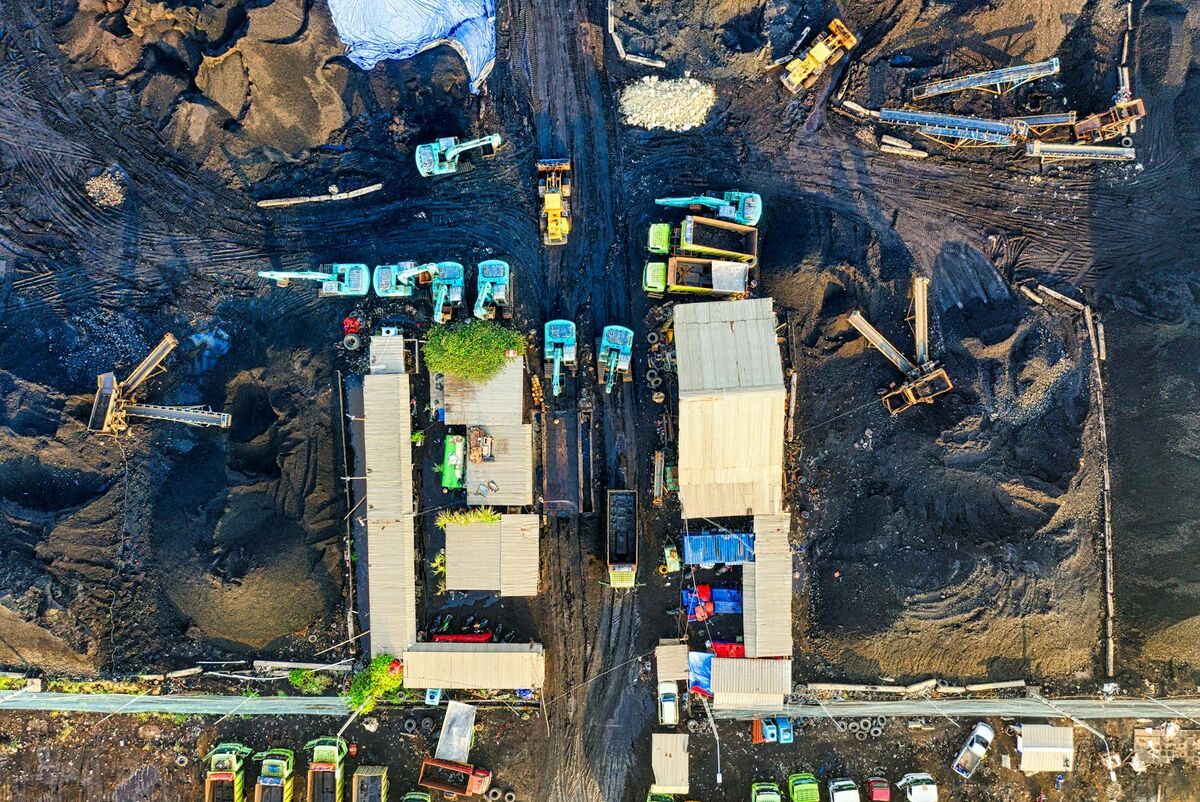
Setting the right drone services pricing is one of the most common challenges for new and growing commercial pilots. Charge too little and you erode margin on every job; charge too much without a clear value proposition and you lose bids to competitors. Drone services pricing — the fees charged for FAA Part 107-certified flight operations and their associated deliverables — must account for equipment depreciation, liability insurance, FAA certification overhead, editing time, and software costs before a pilot sees any profit. This guide walks through rate benchmarks by service type, the business math behind sustainable hourly rates, and how processing software choices directly affect your margins on every job.
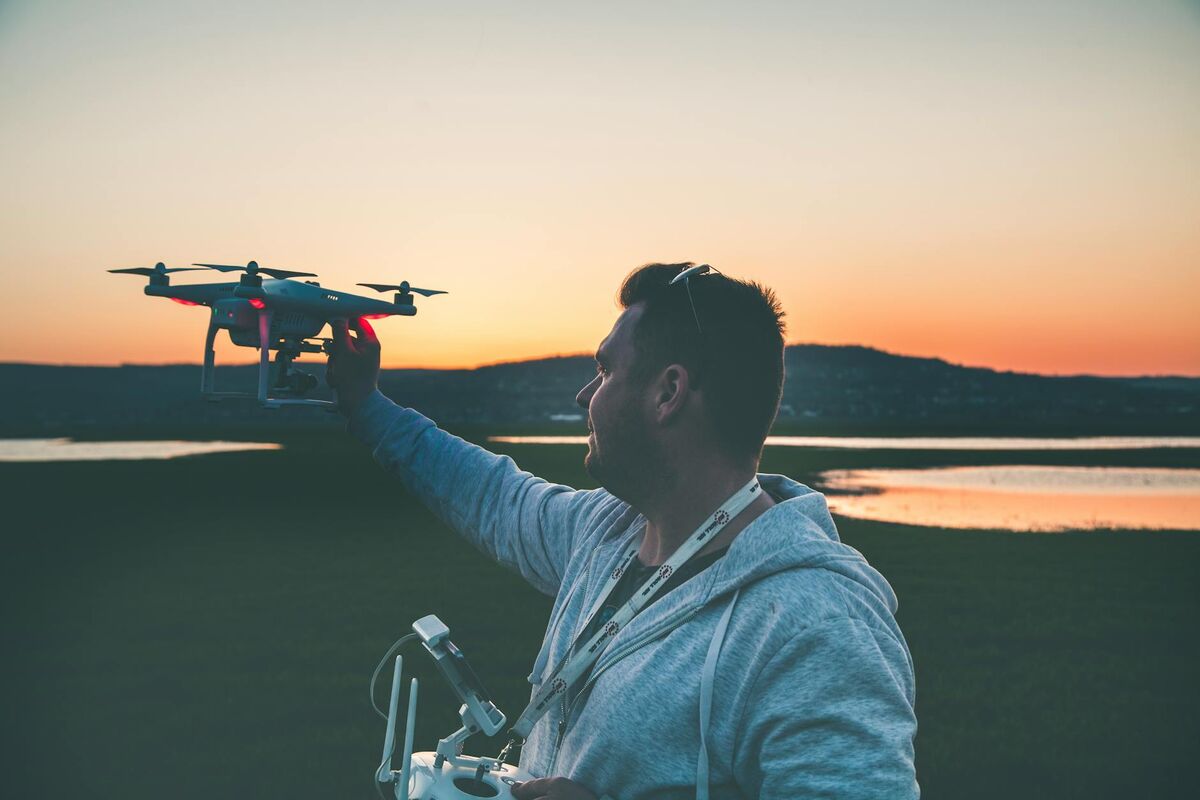
Key Takeaways
- Most pilots price aerial photography at $200–$400/hour, factoring in equipment costs of $2,000–$15,000, insurance at $500–$1,200/year, and FAA certification and compliance overhead.
- Your Part 107 Remote Pilot Certificate is the baseline business requirement — renewal every 24 months via recurrent knowledge test keeps you legal and insurable.
- The three standard pricing models — per-hour, per-acre, and per-deliverable — suit different service types; mapping and surveying favor per-acre or per-deliverable billing while photography typically uses hourly rates.
- Processing software is the largest hidden fixed cost: annual desktop licenses run $3,500–$8,000/year and compress margins on every low-volume month; per-model cloud platforms scale with your actual revenue.
- SkyeBrowse's per-model pricing lets pilots offer 3D modeling without monthly software overhead — charge clients $500+ for a 3D model that costs $24.99–$199 to process, keeping the margin for yourself.
Contents
- What pricing models do drone service providers use?
- What are typical drone service rates by service type?
- How does processing software cost affect drone pilot margins?
- What factors push commercial drone pricing higher or lower?
- How to Calculate Your Hourly Rate
- FAQ
What pricing models do drone service providers use?
Drone service providers use three main pricing models: per-hour, per-acre, and per-deliverable. Hourly billing is common for aerial photography and videography. Per-acre billing suits mapping, surveying, and agricultural services where coverage area is the natural unit of work. Per-deliverable billing — charging a fixed fee for a finished 3D model, orthomosaic, or inspection report — is growing for data-intensive services because it captures the full value of post-processing.
Each model carries different risk profiles for pilots. Hourly billing protects you against jobs that run long but creates uncertainty for clients who prefer fixed-price proposals. Per-acre billing is transparent and easy to scope accurately, but requires precise site measurement upfront. Per-deliverable billing aligns your fee with the value delivered and is increasingly preferred by engineering, construction, and insurance clients who care about the final data product, not flight time. For high-margin jobs, per-deliverable pricing is almost always the right choice — you capture the full value of your processing capability, not just your flight hours.
Some pilots combine models — for example, a base flight fee per acre plus a fixed deliverable fee for the processed 3D model. This hybrid approach is common in drone surveying and mapping where flight time and processing time are both significant costs. Your Part 107 Remote Pilot Certificate is the baseline business requirement — renewal every 24 months via recurrent knowledge test keeps you legal and insurable. The FAA's commercial operator guidelines do not regulate pricing structure, so you are free to structure contracts as your market demands.
What are typical drone service rates by service type?
Aerial photography rates typically run $200–$400 per hour. Drone mapping and photogrammetry services range from $300–$600 per hour or $5–$15 per acre. Inspection services — roofing, infrastructure, utilities — command $300–$700 per hour, often bundled with a report fee. Drone surveying for land or construction ranges from $500–$1,500 per day or $10–$25 per acre, reflecting the precision equipment and licensed surveyor coordination often required.
Here is a more detailed breakdown by service category with notes on how pilots should approach each:
Aerial Photography and Videography: Real estate and event photography is often a pilot's first commercial service category. Entry-level packages run $150–$250 per session; commercial marketing video production commands $500–$2,000 per day. Editing time is the margin killer — underpricing post-production is the most common mistake new pilots make. For a full buyer-side breakdown of what clients expect to pay in this category, see our drone photography cost guide.
Drone Mapping and Orthomosaics: Photogrammetry — the process of deriving measurements and 3D data from overlapping drone photos or video — is priced per acre for large sites. Small sites under 10 acres often carry a minimum project fee of $400–$800. Aerial mapping services for construction or agriculture typically run $5–$15 per acre for a 2D orthomosaic, with 3D models adding $3–$8 per acre on top.
Inspection Services (Roof, Bridge, Utility, Infrastructure): Roof inspections run $150–$400 per structure for residential and $300–$700 for commercial. Bridge and utility tower inspections that require close-proximity flight and detailed reporting can reach $800–$2,000 per structure. For a detailed cost breakdown across residential and commercial roofing scenarios, see our drone roof inspection cost guide. Operators building a roofing drone service line can use those benchmarks to set competitive per-property rates.
Drone Surveying: Land surveying rates depend heavily on whether a licensed surveyor is involved. Pure data collection runs $500–$1,000 per day; full survey products with legal accuracy and stamped deliverables can run $2,000–$5,000 per day. Per-acre rates of $10–$25 are common for large agricultural or construction sites. See our drone surveying guide for a deeper breakdown.
Public Safety and Forensic Mapping: Emergency response, crime scene documentation, and accident reconstruction mapping are often procured through government contracts. Rates vary widely but typically range from $500–$1,500 per incident for rapid 3D capture and model delivery. For a full overview of what aerial drone inspection services cover — from roofing to bridges to utilities — see our dedicated guide. When inspection deliverables are used for insurance claims documentation, pricing often incorporates a premium for the evidentiary quality of the 3D output.
How does processing software cost affect drone pilot margins?
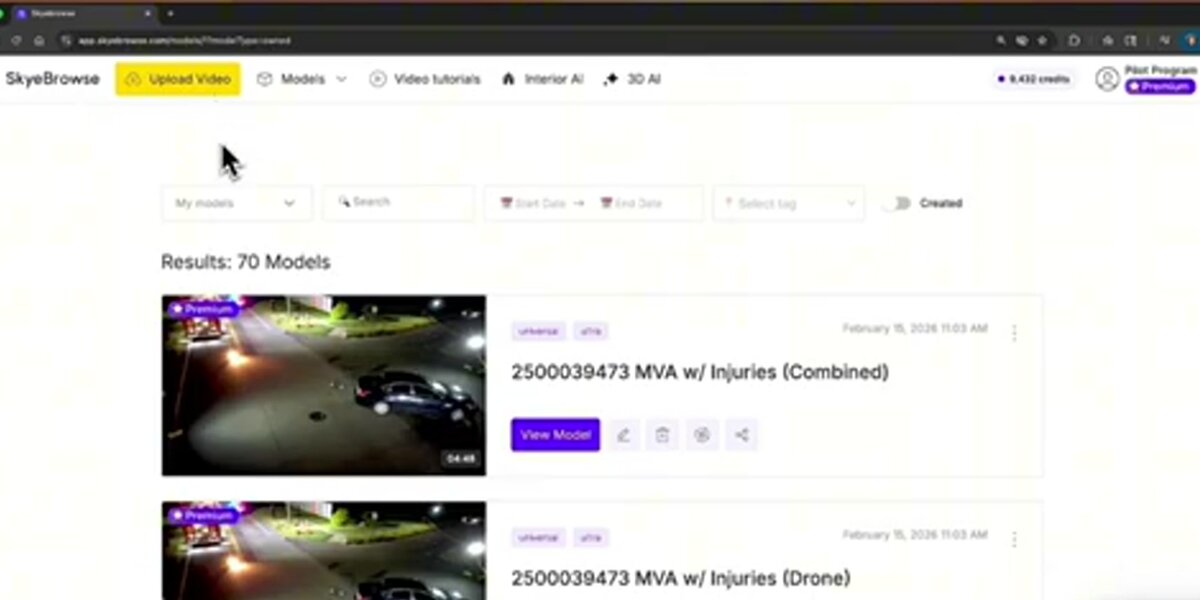
Processing software is a fixed cost that many drone pilots underestimate when setting rates. Annual desktop licenses for professional photogrammetry tools cost $3,500–$8,000 per year — a cost that must be recovered across every billable project. On a 100-project year, that is $35–$80 per project in software overhead before accounting for compute time. Per-credit cloud platforms spread this cost across actual volume, which protects margins in slower months.
The two dominant cost structures in the market are annual desktop licenses and per-use cloud processing. Desktop tools like Pix4D Mapper (approximately $3,500/year) and Agisoft Metashape Professional (approximately $3,499/year) require a capable workstation (typically $2,000–$5,000), which adds to the upfront burden. These tools are powerful but carry fixed annual costs regardless of how many projects a pilot completes.
SkyeBrowse's per-model pricing lets pilots offer 3D modeling without monthly software overhead — charge clients $500+ for a 3D model that costs $24.99–$199 to process. SkyeBrowse's Commercial model is $24.99, Pro is $49.99, and Public Safety & Enterprise (which produces 0.1 inch accuracy with AI moving object removal) is $199 per model. There are no annual minimums, no workstation requirements, and processing runs in the cloud at app.skyebrowse.com. For a pilot processing 20–30 models per month, per-model pricing is almost always cheaper than a desktop license — and it eliminates the capital expenditure on a processing workstation entirely.
From a pricing strategy standpoint, pilots locked into annual desktop licenses must build a higher base rate to recover fixed costs across all jobs. Pilots using per-model cloud processing can quote more competitively during slow months and scale processing costs directly with revenue. This is a meaningful competitive advantage when bidding against established operators carrying heavy software overhead.
The broader drone services market is shifting toward cloud-first workflows as processing quality has reached parity with desktop tools for most commercial applications.
What factors push commercial drone pricing higher or lower?
Five factors consistently move commercial drone pricing: pilot certifications and experience, equipment cost and payload type, project complexity and site conditions, required accuracy and deliverable format, and liability insurance coverage. Clients with tight accuracy requirements, hazardous site conditions, or complex airspace authorizations should expect rates 20–50% above baseline.
Certifications and Regulatory Compliance: FAA Part 107 certification is the legal minimum for commercial operations in the United States. Pilots with advanced qualifications — such as airspace authorization experience (LAANC), night waivers, or industry-specific training — can command higher rates. Government and public safety clients increasingly require vendors to carry specific certifications or operate within CJIS or FedRAMP-compliant data workflows.
Equipment and Payload: Consumer-grade drones like DJI Mini series produce usable imagery but limited accuracy. Professional mapping drones with RTK GPS (such as DJI Mavic 3 Enterprise or Phantom 4 RTK) or multispectral sensors add $5,000–$30,000 in hardware cost. Pilots operating specialized equipment should price accordingly — buyers are paying for sub-centimeter accuracy, not just flight time.
Site Conditions and Airspace: Remote rural sites are straightforward to price. Urban environments requiring LAANC authorization, tall structure proximity, or complex obstacle avoidance add flight planning time and risk. Some sites require a visual observer (VO) present during flight, adding labor cost. Offshore, nighttime, or beyond-visual-line-of-sight (BVLOS) operations require FAA waivers and command significant premiums.
Accuracy Requirements: Standard mapping deliverables (orthomosaics with 2–4 inch accuracy) are adequate for construction progress and agricultural monitoring. Engineering-grade surveys requiring sub-inch accuracy need ground control points (GCPs), RTK/PPK drone hardware, and more rigorous post-processing. This level of service justifiably commands 2–3x the rate of standard mapping.
Insurance: Professional liability and hull insurance for commercial drone operations typically runs $1,500–$3,000 per year for a basic policy. High-value or hazardous operations (powerline inspection, offshore work) require higher coverage limits, increasing premiums. Uninsured pilots represent a liability risk for buyers and should be disqualified from consideration.
How to Calculate Your Hourly Rate
A sustainable drone pilot hourly rate must cover fixed annual costs (equipment depreciation, insurance, FAA certification), variable costs (travel, editing, software per job), and a target profit margin. Most pilots undercharge by omitting editing time and software overhead from their rate math — fixing those two line items alone often justifies a 20–40% rate increase.
Here is the business math every commercial pilot should run before posting a rate card:
Step 1: Annual fixed costs. Add up your recurring costs regardless of job volume: equipment depreciation (drone purchase price divided by useful life — a $5,000 drone over 3 years is $1,667/year), liability insurance ($500–$1,200/year for most commercial policies), FAA Part 107 recurrent testing and certificate maintenance ($150–$200 every 24 months, amortized), and any professional memberships or software subscriptions. A well-equipped solo pilot typically carries $3,500–$7,000/year in fixed costs before flying a single job.
Step 2: Billable hours. Estimate realistically. Most part-time commercial pilots complete 50–100 billable flight hours per year; full-time operators with consistent clients can reach 200+. Divide your annual fixed costs by your realistic billable hours to get the fixed-cost floor per hour.
Step 3: Variable costs per job. Add travel time, fuel, editing time (often 2–3 hours of editing per hour of footage), and processing costs. If you use per-model cloud processing at $24.99–$199 per model, this line item is exact and predictable — no guessing required. If you use an annual desktop license, allocate a proportional share per job.
Step 4: Target margin. A healthy margin for a skilled tradesperson is 25–40% above total cost. If your total cost per billable hour (fixed + variable) is $150, a 33% margin puts your rate at $200/hour. Pilots offering 3D model deliverables should price the deliverable itself at $500–$1,500 — well above the $24.99–$199 processing cost — because the value to the client (construction progress tracking, insurance documentation, litigation support) is orders of magnitude higher than the cost to produce it.
Revisit your rate card annually as equipment depreciates and insurance premiums change.

FAQ
How should I calculate my drone pilot hourly rate?
Start with your annual fixed costs (equipment depreciation, insurance, FAA certification) divided by realistic billable hours to get your floor rate. Add variable costs per job (travel, editing, processing software). Then add a 25–40% profit margin. A pilot with $5,000/year in fixed costs and 100 billable hours needs $50/hour just to break even on overhead — that is before editing time, processing costs, or any profit. Most certified pilots charge $200–$400/hour for photography and $300–$600/hour for mapping and inspection.
What is a competitive rate for drone mapping services?
Drone mapping and photogrammetry services are competitively priced at $300–$600 per hour or $5–$25 per acre depending on deliverable type. Pilots offering 3D model outputs can charge a significant premium — most commercial clients pay $500–$1,500 per 3D model, with processing costs as low as $24.99–$199 on cloud platforms like SkyeBrowse. Mapping is typically the highest-margin service category available to a commercial drone pilot.
How does processing software affect my margins?
Annual desktop licenses (Pix4D at $3,500/year, Agisoft Metashape at $3,499/year) are a fixed cost you pay whether you process 5 models or 500. That overhead compresses margins on every slow month. SkyeBrowse's per-model pricing ($24.99–$199 per model) ties your processing cost directly to revenue — you only pay when you process a job. For pilots processing fewer than 40–50 models per year, per-model cloud pricing almost always costs less than an annual desktop license.
How often do I need to renew my Part 107 certificate?
Your FAA Part 107 Remote Pilot Certificate requires renewal every 24 months via a recurrent knowledge test administered at an FAA-approved testing center. The test costs approximately $150–$175 and covers current airspace regulations, weather, and operational procedures. Factor this cost and the study time into your annual overhead when setting rates. For work in controlled airspace, also maintain familiarity with LAANC authorization procedures — clients in urban markets expect pilots who can self-authorize efficiently.
Should I use hourly or per-deliverable pricing for 3D mapping jobs?
Per-deliverable pricing is almost always the better choice for 3D mapping jobs. Charging $800–$1,500 for a finished 3D model — rather than billing hourly for flight and processing — captures the full value of your software capability and expertise, not just your time. It also protects you against processing jobs that take longer than expected, since your fee is fixed to the output rather than the clock.
Upload your first video free. Create a free SkyeBrowse account, upload a drone video, and get a 3D model processed in the cloud. Freemium organizations that have never had a paid plan can get their first full Commercial model for $5 (normally $24.99), with every Pro tool and export included and 90-day storage.